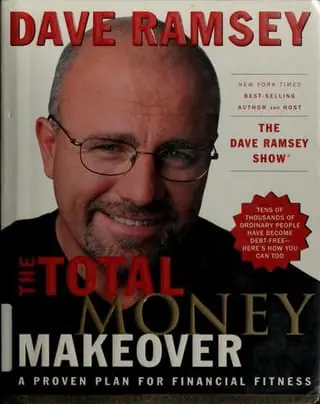
The Total Money Makeover summary
by Dave Ramsey · 2003 · 8 key ideas · 18-minute read
A tough-love plan to get out of debt and build wealth through seven 'Baby Steps', driven by the idea that money problems are mostly behaviour problems.
Why read it
For anyone stuck in debt who needs a clear, motivating, step-by-step plan more than investment theory. It has helped many people change their habits, even if some of its rules are debated.
The Total Money Makeover in brief
Ramsey begins with a diagnosis: most people's money problems aren't about knowledge but behaviour. They know they should spend less and save more, but they don't. He tells his own story of building a debt-fuelled property portfolio, losing it and going bankrupt, and says the book's plan grew from what he learned.
He then takes aim at popular myths — that debt is a useful tool, that car payments are normal, that you need a credit card, that the rich got rich by borrowing. His view is that debt is a burden that keeps people from building wealth, and that ordinary people should avoid it.
The heart of the book is a sequence of Baby Steps: save a small starter emergency fund; pay off all debts except the mortgage using the 'debt snowball', smallest balance first; build a full emergency fund of three to six months' expenses; invest 15% of household income for retirement; save for children's college; pay off the home early; and finally build wealth and give generously.
Throughout, Ramsey urges 'gazelle intensity' — attacking debt with focus and sacrifice — along with a written monthly budget, cash for problem spending categories and full agreement between partners. He promises that anyone who follows the steps in order, without skipping ahead, will get a total money makeover.
The 8 key ideas
1. The problem is behaviour
You know enough. Now change what you do.
2. Debt is not a tool
The borrower serves the lender.
3. Follow the Baby Steps in order
One step at a time, all your energy on it.
4. A small fund first
A small cushion keeps you off the credit card.
5. Roll the debt snowball
Small wins build big momentum.
6. Gazelle intensity
Live like no one else now, so later you can too.
7. The full emergency fund
Turn emergencies into inconveniences.
8. Invest, pay off the house, then give
No payments means your income works for you.
Read the full guide in Kinquire. Every idea with a real example, a diagram and one thing to try today, plus a quick quiz so it sticks. Free to start.
Read The Total Money MakeoverKey takeaways
- Identify your current Baby Step and focus all your energy on it.
- Build a small emergency fund quickly to stop new debt.
- List debts smallest to largest and roll payments into the next one as each is cleared.
- Write a monthly budget that gives every pound a job before the month starts.
- Once debt-free, build three to six months of expenses in savings.
- Then invest consistently for retirement and work towards owning your home outright.
Our take
The Total Money Makeover works because it's simple, emotionally motivating and focused on behaviour, which is where many people struggle. Its step-by-step structure gives clear direction and has helped many households escape debt. Its weaknesses are real: the debt snowball can cost more interest; the rejection of all credit ignores its legitimate uses; the 12% return assumption is widely criticised as unrealistic; and the strict order can mean missing employer pension matches. It's US-focused and has a religious tone some readers won't share. Best used as a debt-escape plan, with a broader guide for investing.
About Dave Ramsey
Dave Ramsey is an American radio host and author. He has written that he built a property business in his twenties, went bankrupt, and rebuilt his finances afterwards.
If you liked this
- The Richest Man in Babylon by George S. Clason
- I Will Teach You to Be Rich by Ramit Sethi
- Your Money or Your Life by Vicki Robin and Joe Dominguez
- The Psychology of Money by Morgan Housel
- Rich Dad Poor Dad by Robert T. Kiyosaki
- The Intelligent Investor by Benjamin Graham