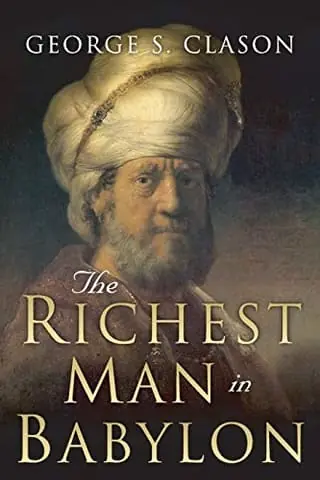
The Richest Man in Babylon summary
by George S. Clason · 1926 · 8 key ideas · 20-minute read
Simple parables set in ancient Babylon teach the timeless basics of wealth: save a part of all you earn, control spending, invest wisely and guard against loss.
Why read it
For anyone who wants the foundations of personal finance in a memorable, story-driven form. Nearly a century old, its core rules still underpin most modern money advice.
The Richest Man in Babylon in brief
Clason frames his lessons as tales told in ancient Babylon, a city he presents as having become rich through the wisdom of its people. Two friends, a chariot builder and a musician, realise they have worked hard all their lives yet have nothing to show for it. They go to their childhood friend Arkad, now the richest man in the city, to ask his secret.
Arkad's answer is that a part of all you earn is yours to keep. He shares the 'seven cures for a lean purse': save at least a tenth of income, control expenses, make savings multiply, guard against loss, make your home a profitable investment, ensure future income, and increase your ability to earn.
Further stories expand the lessons. An old sage sets out the 'five laws of gold' about saving and investing carefully. A gold lender explains why lending to friends without security is dangerous. A camel trader, once a slave because of his debts, shows how determination and a plan can restore a person's fortunes. Clay tablets record a precise budget for paying off debts.
The tone is moral and old-fashioned, but the rules are clear and practical. Clason's point is that wealth isn't a matter of luck or birth: it follows from simple habits practised consistently over many years, with patience, steady work and humility about what you don't yet know.
The 8 key ideas
1. Pay yourself a tenth first
One coin in ten is yours to keep.
2. Control your expenses
Expenses rise to meet income — unless you push back.
3. Put your gold to work
Make every coin a worker.
4. Ask a jeweller about jewels
Don't ask a brickmaker about jewels.
5. The five laws of gold
Save it, employ it, protect it.
6. A plan to escape debt
Where there's determination, a way can be found.
7. Be cautious with lending
Better a little caution than a great regret.
8. Grow your ability to earn
Luck finds people already moving.
Read the full guide in Kinquire. Every idea with a real example, a diagram and one thing to try today, plus a quick quiz so it sticks. Free to start.
Read The Richest Man in BabylonKey takeaways
- Automatically keep at least 10% of every pay packet before spending anything.
- Budget to separate true needs from desires, and resist lifestyle creep.
- Invest savings so they earn, and reinvest what they earn.
- Only invest in what you understand, after consulting people experienced in it.
- If you're in debt, use a fixed split: save a little, live within limits, repay steadily.
- Invest in skills that raise your earning power.
Our take
The Richest Man in Babylon endures because its rules are short, sensible and memorable: save a tenth, budget, invest carefully, avoid schemes, repay debts. Nearly all modern personal finance advice repeats them. It is, however, a fable — its Babylon is a romanticised setting, not accurate history — and its language and assumptions reflect the 1920s, including its male-centred stories. Specific advice such as owning your home or lending gold needs updating, and many planners now suggest saving more than 10% for retirement. It gives principles rather than a detailed plan, so pair it with a modern guide.
About George S. Clason
George S. Clason was an American businessman and writer from Denver. The book grew out of a series of pamphlets on thrift that were widely distributed by banks and insurance companies.
If you liked this
- Rich Dad Poor Dad by Robert T. Kiyosaki
- The Total Money Makeover by Dave Ramsey
- The Millionaire Next Door by Thomas J. Stanley and William D. Danko
- Think and Grow Rich by Napoleon Hill
- The Psychology of Money by Morgan Housel
- The Intelligent Investor by Benjamin Graham